
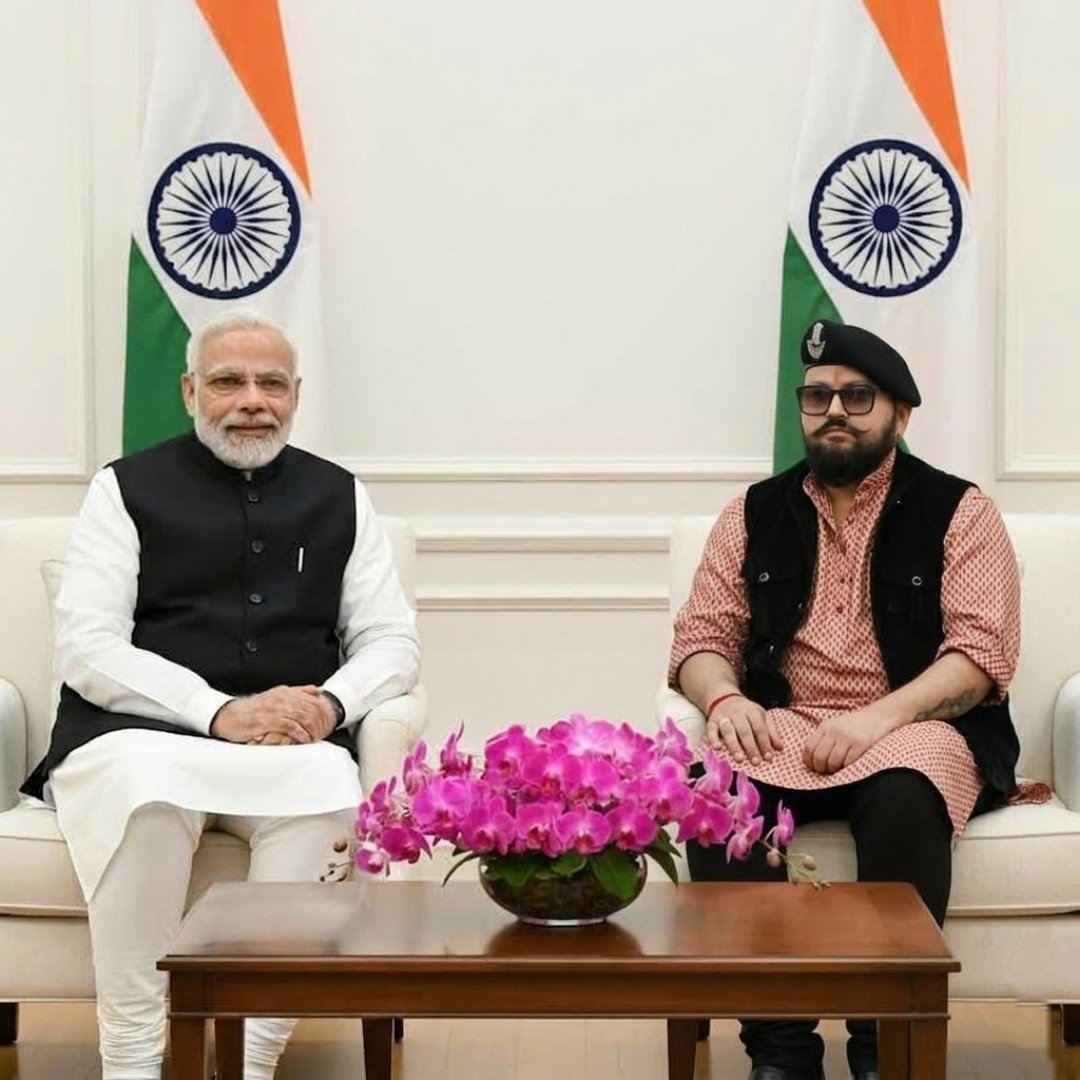
New Delhi: India’s education landscape is witnessing a significant and unconventional shift with the emergence of “Self Defence Science” as a structured academic subject. Positioned at the intersection of physical education, moral training, and strategic awareness, the subject is being promoted as a holistic discipline aimed at preparing students not just academically, but also mentally and physically for real-world challenges. The initiative is closely associated with Wing Commander (Dr) Pushkal Vijay Dwivedi, a former Indian Air Force officer and education reform advocate, who has been instrumental in conceptualizing and developing the curriculum.
At the institutional level, this subject is being introduced through the Bhartiya Shiksha Board, which has been positioned as a central government national school education board aligned with the principles of India’s National Education Policy (NEP 2020). This board is at par with C.B.S.E and is constituted by Ministry of Education, Government of India with its administration being looked after by Patanjali Yogapeeth . Under the Chairmanship of Dr. N.P. Singh IAS (R), the board aims to integrate traditional Indian knowledge systems with modern academic frameworks, thereby creating a more rooted yet forward-looking model of education. Alongside conventional subjects, the board emphasizes value-based learning, discipline, and cultural awareness.
The Concept of Self Defence Science
“Self Defence Science” is not merely a physical training module but a multi-dimensional subject. According to curriculum outlines and introductory materials, it blends elements of physical education, psychology, ethics, and situational awareness. Students are trained in basic self-defence techniques, but the scope goes beyond martial skills. It includes understanding threats, developing presence of mind, managing fear, and responding to emergencies.

The subject also incorporates moral science components—teaching students about responsibility, restraint, and the ethical use of strength. In this sense, it aligns with broader educational goals under NEP and the National Curriculum Framework (NCF), which advocate experiential learning and life skills development. Proponents argue that such a subject is particularly relevant in today’s world, where personal safety and mental resilience are becoming increasingly important.
The board is seen as one of the remarkable achievements by Mr Narendra Modi led Government removing the colonial influence in Indian education system.
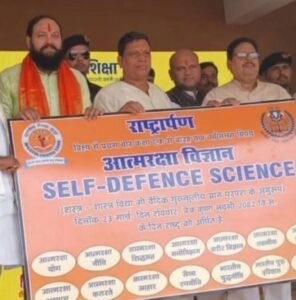
Role of Bhartiya Shiksha Anusandhan Parishad
The academic backbone of Self Defence Science initiative is attributed to the Bhartiya Shiksha Anusandhan Parishad (BSAP), which has developed the full curriculum and textbooks for Self Defence Science from Class 1 to Class 12. The Parishad positions itself as a research and curriculum development body focused on Indian-centric education models.
Under the leadership of Director General Wing Commander (Dr.) Pushkal Dwivedi, the Parishad has emphasized a structured progression in the subject—from basic awareness and discipline in early classes to more advanced physical techniques and strategic thinking in higher grades. The textbooks reportedly include illustrated modules, practical exercises, and theoretical explanations aimed at making the subject both engaging and academically robust.
Profile of Wing Commander (Dr) Pushkal Vijay Dwivedi
Wing Commander (Dr) Pushkal Vijay Dwivedi is presented as a key driving force behind this educational innovation. A former officer of the Indian Air Force, he is credited with combining his defence background with academic research to design a subject that bridges national security awareness and school education. As Director General of BSAP, he has overseen the development of curriculum, training modules, and teacher orientation programs.
Supporters describe his work as an attempt to institutionalize self-defence training in a scientific and pedagogical format, rather than leaving it as an extracurricular activity. By bringing it into the formal education system, the initiative seeks to ensure uniformity, assessment standards, and long-term impact.
Integration with National Education Goals
The introduction of Self Defence Science is being framed within the broader vision of transforming Indian education into a more skill-oriented and culturally grounded system. The NEP 2020 emphasizes multidisciplinary learning, physical fitness, and value-based education—all of which are reflected in this subject.
‘Self Defence Science‘ includes Physical Education and Moral Science in its vast curriculum.
Educational observers note that the subject also resonates with global trends, where schools are increasingly incorporating life skills, emotional intelligence, and physical preparedness into their curricula. However, what distinguishes this initiative is its explicit attempt to root these elements in Indian philosophical and cultural contexts.
Opportunities and Challenges
While the concept has generated interest, it also raises questions about implementation, standardization, and recognition. As a relatively new board and subject, Bhartiya Shiksha Board’s acceptance among universities, employers, and regulatory bodies remains a key factor for its long-term success. Issues such as teacher training, infrastructure for practical sessions, and integration with existing assessment systems will also determine its effectiveness.
At the same time, the idea of formalizing self-defence education has found resonance among parents and educators concerned about student safety and overall development. If implemented effectively, experts believe it could contribute to building more confident, disciplined, and aware young citizens.
The Road Ahead
As India continues to reform its education system, initiatives like Self Defence Science highlight a growing emphasis on holistic development. By combining physical training, moral education, and situational awareness, the subject attempts to redefine what it means to be “educated” in the modern context.
Whether this model gains widespread adoption or remains a niche experiment will depend on its execution and acceptance. However, it undeniably reflects a broader shift in thinking—one that seeks to move beyond rote learning and equip students with practical, life-ready skills.
In that sense, the collaboration between Bhartiya Shiksha Board and the vision of Wing Commander (Dr) Pushkal Vijay Dwivedi marks an ambitious attempt to reshape the contours of Indian school education.

