
Table of Contents
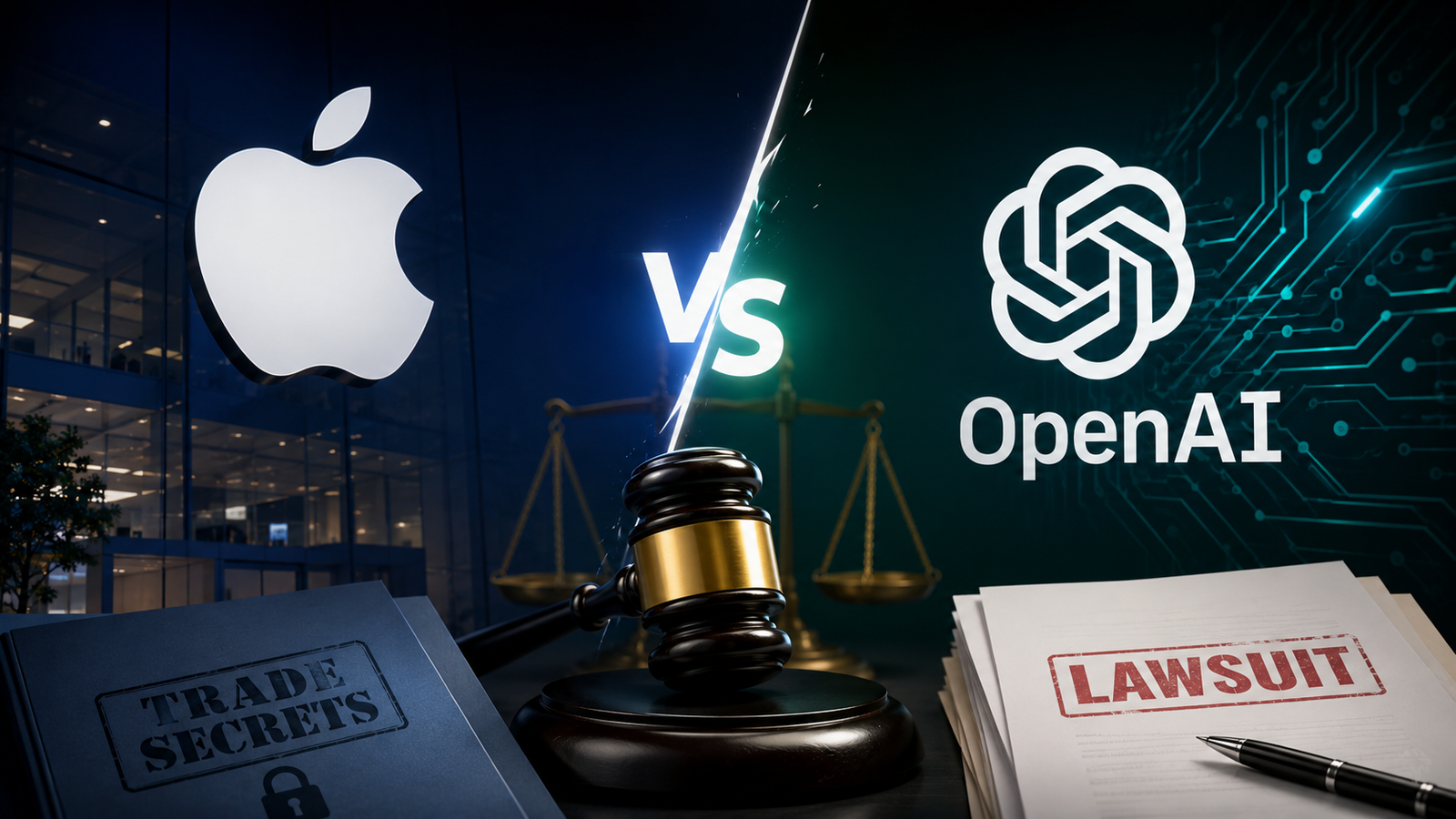
One of the technology industry’s most significant AI partnerships has taken an unexpected turn. Apple and OpenAI, which previously collaborated to bring ChatGPT-powered features to Apple devices, are now facing each other in a legal dispute. According to reports, Apple has filed a legal motion alleging that OpenAI improperly accessed proprietary trade secrets and confidential internal Apple information.
If the allegations lead to a prolonged legal battle, the case could reshape how major technology companies collaborate on artificial intelligence and influence the future of AI features across consumer devices.
From Strategic Partners to Courtroom Rivals
The relationship between Apple and OpenAI evolved rapidly during the AI boom.
Apple partnered with OpenAI to integrate ChatGPT into its Apple Intelligence platform, allowing users to access advanced AI capabilities on compatible iPhones, iPads, and Macs while maintaining Apple’s focus on privacy.

The partnership was widely viewed as mutually beneficial. Apple gained access to one of the world’s leading AI models, while OpenAI reached hundreds of millions of Apple users through deep operating system integration.
The latest legal dispute, however, marks a dramatic shift from collaboration to confrontation.
What Is Apple Alleging?
According to reports, Apple claims that OpenAI accessed confidential internal information and proprietary trade secrets.
While the complete legal filings and evidence have not been made public, trade secret disputes generally involve allegations concerning:
- Confidential engineering documents
- Internal product strategies
- Proprietary software technologies
- Technical development processes
- Non-public commercial information
At this stage, the allegations remain part of an ongoing legal process, and no court has determined liability.
Why Trade Secrets Matter in AI
Artificial intelligence has become one of the world’s most valuable technology sectors.
For companies like Apple and OpenAI, competitive advantages often depend on:
- Proprietary AI models
- Software architecture
- Internal research
- Product roadmaps
- Training techniques
- Engineering methods
Protecting this information is critical because even limited exposure could provide competitors with strategic advantages.
What Could This Mean for Apple Intelligence?
One of the biggest questions is whether the dispute will affect Apple Intelligence.
If the legal conflict escalates, Apple could:
- Reduce reliance on external AI providers
- Accelerate development of in-house AI models
- Expand partnerships with alternative AI companies
- Increase investment in proprietary AI infrastructure
For now, there has been no official indication that existing Apple Intelligence features for users will be affected.
The Bigger Picture for the AI Industry
The dispute highlights a broader trend across the technology sector.
As AI becomes central to smartphones, enterprise software, cloud services, and consumer products, companies are becoming increasingly protective of their intellectual property.
Future AI partnerships are likely to include:
- Stronger confidentiality agreements
- More detailed security requirements
- Greater oversight of shared data
- Stricter compliance procedures
- Enhanced legal protections
These measures could influence how AI companies collaborate in the years ahead.
Could This Impact OpenAI’s Position?
OpenAI has expanded rapidly through partnerships with major technology companies.
A legal dispute involving one of the world’s largest consumer technology brands could attract significant industry attention, regardless of the eventual outcome.
At the same time, any legal proceedings are likely to focus on specific allegations rather than the broader value of OpenAI’s technology or products.
What Happens Next?
The legal process is still at an early stage.
Several outcomes remain possible:
- Settlement between both companies
- Continued commercial partnership alongside litigation
- Changes to future AI integration agreements
- Court proceedings to determine the merits of the claims
Until more information becomes available through official filings or statements, many aspects of the dispute remain uncertain.
Final Thoughts
The reported Apple OpenAI lawsuit represents one of the most closely watched legal disputes in the AI industry. A partnership that once symbolized the future of consumer artificial intelligence has now evolved into a courtroom battle centered on trade secret allegations.
Regardless of the final outcome, the case underscores how valuable AI technology and proprietary information have become. It may also influence how future partnerships between major technology companies are negotiated, governed, and protected.
FAQ
Why are Apple and OpenAI involved in a legal dispute?
According to reports, Apple has alleged that OpenAI accessed proprietary trade secrets and confidential internal information. The allegations remain subject to legal proceedings.
What are trade secrets?
Trade secrets are confidential business information, technologies, processes, or strategies that provide a company with a competitive advantage.
Will the lawsuit affect Apple Intelligence?
There has been no official announcement indicating that current Apple Intelligence features or user services will be affected.
Could Apple stop working with OpenAI?
It is too early to determine whether the legal dispute will impact future collaboration. The outcome will depend on legal developments and decisions made by both companies.
Why is this case important?
The dispute highlights the growing importance of intellectual property protection as AI becomes a central part of consumer technology and enterprise software.

